More About Me
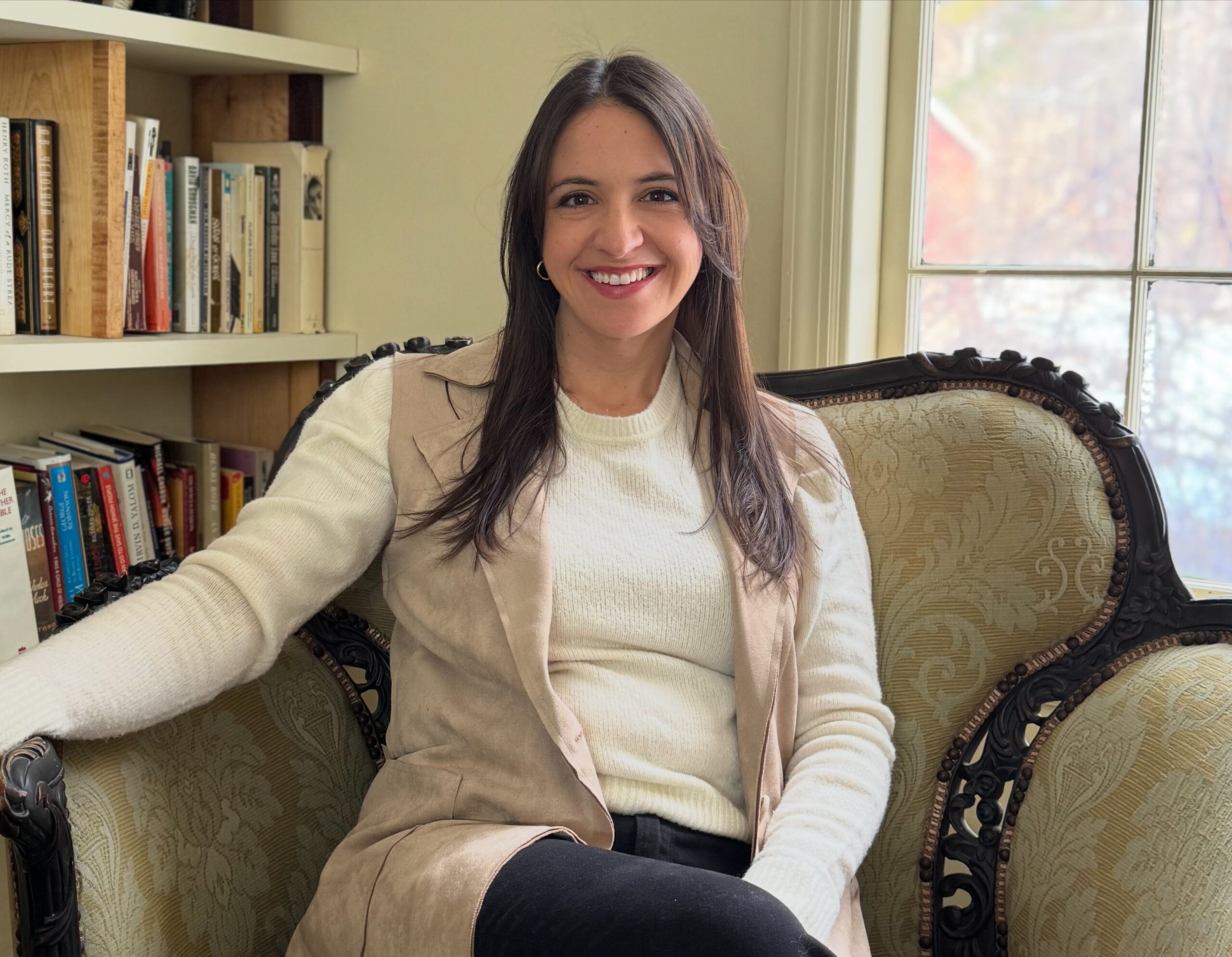
I’m a Denver-based therapist licensed in Colorado, Maryland, and Ohio. I believe therapy works best when you feel safe, supported, and able to bring your full self into the room. I aim to create a space that feels warm, steady, and genuinely human, where trust and meaningful connection can grow over time. My style is collaborative and nonjudgmental, and my approach is integrative and trauma-informed, drawing from psychodynamic, attachment-based, cognitive-behavioral, person-centered, and solution-focused therapy. I place a strong emphasis on psychoeducation, helping clients understand their brain, body, nervous system, and emotional patterns, because when reactions make sense, self-compassion grows and change becomes possible.
I work with children, adolescents, young adults, and adults, and specialize in trauma therapy, Complex PTSD, PTSD, ADHD, anxiety, depression, grief, self-esteem concerns, parenting challenges, and family conflict. Much of my work centers on relational and developmental trauma, attachment wounds, and the ways early experiences shape emotions, relationships, and identity. I also support caregivers through parent coaching that emphasizes regulation, connection, and sustainable guidance rather than fear or reactivity.
I earned my Master’s degree in Social Work with a focus on crisis and trauma. My early clinical training included working with refugees and young children experiencing acute and chronic trauma, teaching anger-management classes within the juvenile justice system, and working with adolescents in residential treatment through Family Court. I have also provided therapy in homes and schools, strengthening my work in parent coaching, ADHD education, and trauma-informed care for families with limited access to resources.
Outside of sessions, you’ll often find me cooking, playing volleyball, or working on a DIY project. I enjoy backpacking, learning from different cultures, and spending time with family and friends in Denver, CO.
If you feel like I am someone you want to work with, reach out for a free 15-minute consultation
Start Your Healing Today
Taking the first step can feel hard—you don’t have to do it alone.
Let’s begin together.